

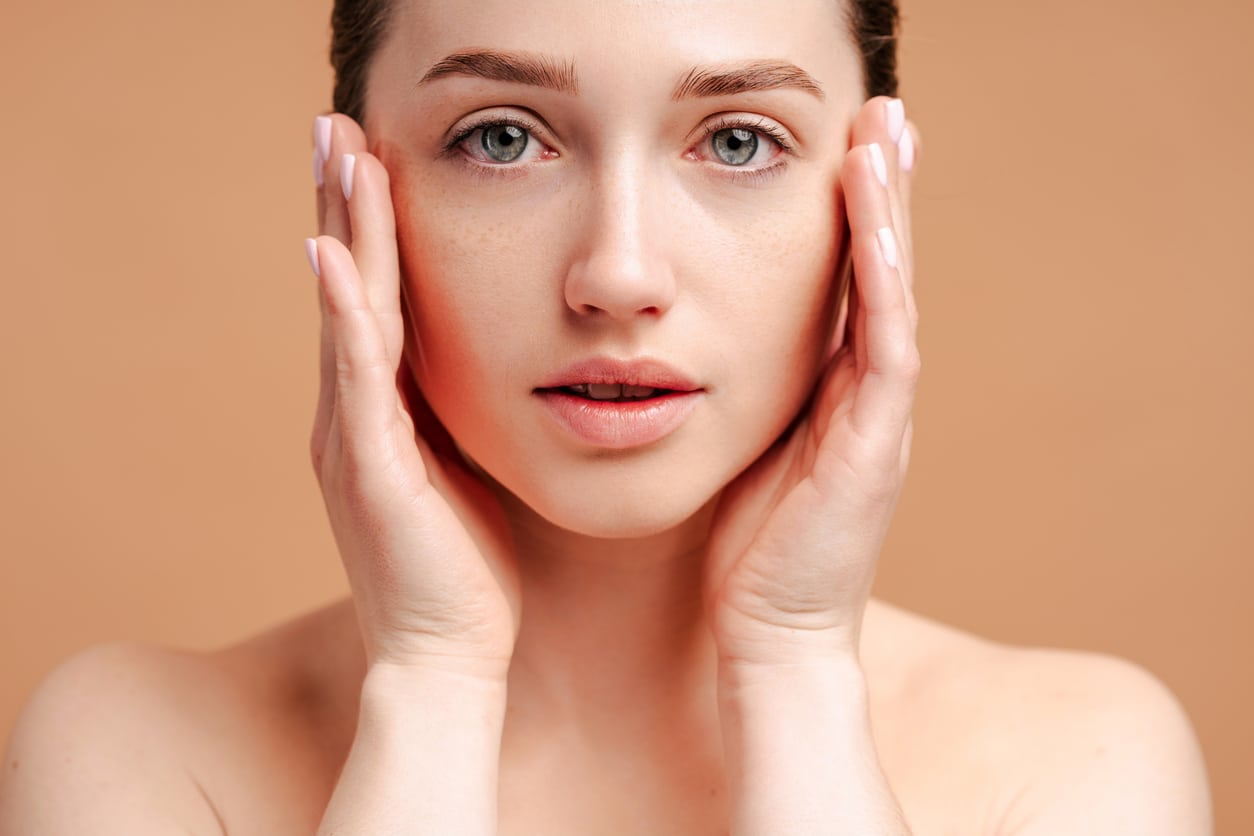
Redness, sunspots, fine lines, and rough texture can appear at the same time, but they do not always respond to the same procedure. At Stuart Lipton, MD in Lewisville, Texas, we offer IPL photofacials and Pixel laser skin resurfacing for different types of skin changes. Dr. Stuart Lipton is certified by the American Board of Plastic Surgery and has more than two decades of experience helping patients choose care based on their individual needs.
What IPL and Pixel Treat Differently
IPL uses pulses of light to reduce unwanted pigment and visible blood vessels. It may be considered when your main concern is:
- Facial redness or rosacea
- Broken capillaries
- Brown spots caused by sun exposure
- Uneven pigmentation
- Red or vascular scars
Patients dealing with persistent redness can find more information in our guide to using an IPL photofacial for rosacea.
Pixel is a fractional ablative laser that creates microscopic channels in the skin while leaving nearby tissue intact. This process prompts repair and new collagen production. Pixel may be better suited to fine lines, enlarged pores, shallow acne scars, rough texture, and signs of sun damage. Fractional laser resurfacing may also improve uneven tone when it appears alongside textural changes.
How Treatment and Recovery Compare
An IPL appointment usually takes about 20 to 30 minutes. A complete plan may involve five to eight visits. The procedure does not require formal downtime, although redness may remain visible for two to five days.
A Pixel appointment may last 45 minutes to an hour, including time for topical numbing. The laser portion generally takes about 30 minutes. One visit can produce a noticeable change, but we often recommend a series of three based on the condition of your skin. Redness commonly improves within four days, followed by flaking that usually settles by day six or seven.
Skin Tone and Sun Exposure Affect Candidacy
Skin tone, recent sun exposure, current skincare products, medications, and the depth of the issue all influence which option may be appropriate. IPL may carry a greater risk of pigment changes for certain skin tones, while Pixel settings must also be selected carefully.
After examining your skin, we may recommend IPL, Pixel resurfacing, or a plan that combines more than one type of care. Medical-grade chemical peels may be another possibility for mild discoloration, dullness, or surface texture. Sun protection and an appropriate medical-grade skincare routine can help protect your skin after treatment and support longer-lasting improvements.
Explore Your Skin Treatment Options in Lewisville, TX
Choosing between IPL and Pixel starts with identifying whether discoloration, redness, or texture is your main priority. To discuss these and other medical spa treatments, contact us at Stuart Lipton, MD. Our Lewisville office serves patients throughout the Dallas, TX, area and can be reached at 972-420-0023.